
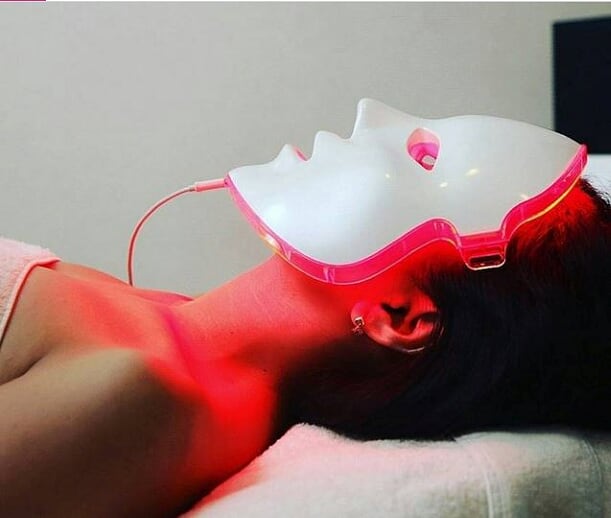
LED light therapy masks are everywhere: glowing faces on TikTok, celebrities claiming it’s their ‘secret’, and a price tag that can make you wince. The big question is whether they’re actually worth buying, or whether you’re better off spending that money on a solid cleanser, moisturiser, and sunscreen.
What LED masks are supposed to do
These devices use different wavelengths of light. In plain English: different colours penetrate to different depths and are linked with different skin goals. The most common ones you’ll see are red, blue, and near-infrared.
- Red light: often used for supporting collagen, improving the look of fine lines, and general skin ‘calm’.
- Near-infrared: usually paired with red and marketed for deeper support and recovery.
- Blue light: typically aimed at breakouts because of its relationship with acne-causing bacteria.
Who is most likely to benefit
LED isn’t a magic wand, but it can be a useful add-on if you’re consistent. You’re more likely to notice a difference if you’re dealing with mild acne, redness, post-blemish marks, or early texture changes. If your main issue is deep wrinkles, significant pigmentation, or severe acne, LED alone won’t be enough – you’ll need a broader plan and, sometimes, professional help.
Who should be cautious (or skip it entirely)
This is the unsexy bit people forget. If you have a condition that causes photosensitivity, take medications that increase light sensitivity, or you’re under treatment for a skin condition, check with a clinician before you buy. If you’re prone to migraines triggered by bright light, you may also find the sessions unpleasant. And if you’re buying an unknown brand with no safety testing information, just don’t.
What to look for when choosing a device
Ignore the hype words and look for practical specs and usability. If it’s uncomfortable, you won’t use it. If it’s hard to clean, you’ll dread it. And if the company can’t explain what wavelengths it uses, that’s a red flag.
- A comfortable fit that sits close to the skin without pinching your nose or pulling hair.
- Clear information on wavelengths used (not just “red/blue”).
- A timer and automatic shut-off, so you don’t overdo sessions.
- Easy wipe-clean surfaces and a sensible storage bag or stand.
- A returns policy and a warranty that isn’t buried in tiny print.
How to use LED without wasting your time
Consistency matters more than marathon sessions. Most people get better results from 10 minutes, three to five times a week, than from one huge session followed by forgetting it for a month. Use it on clean, dry skin. After your session, apply a simple moisturiser. If you’re using strong actives (retinoids or acids), you can still do LED, but keep your routine calm so you’re not piling irritation on top of irritation.
Set realistic expectations
The best-case outcome is usually a gradual improvement: skin looks a bit calmer, texture is smoother, and breakouts are less dramatic. You won’t wake up looking airbrushed. Give it at least 6-8 weeks before you decide whether it’s doing anything, and take photos in the same lighting to avoid fooling yourself.
Cost vs value: a simple decision rule
Here’s a blunt way to decide. If you haven’t already nailed the basics – gentle cleanse, moisturise, and daily SPF – start there first. Those are the foundations that make everything else work. If you’re already consistent and you still want a little extra help with redness, texture, or mild breakouts, LED can be worth it because it’s a one-off purchase you can use for years.
Safety and aftercare
Use whatever eye protection is recommended by the manufacturer and don’t stare directly into the LEDs. Keep sessions to the built-in timer, especially at the start. If you get irritation, headaches, or your skin feels hot afterwards, reduce frequency. LED should feel neutral to pleasant, not like you’ve done something harsh.
Cleaning matters more than you think
A mask sits on your face, so it needs basic hygiene. Wipe it down after each use, especially if you’re breakout-prone. Don’t share it without cleaning, and don’t use it on broken skin.
If you’d rather start with product-based routines first, browse the Skincare category for reviews and long-form testing notes. LED can be a nice upgrade, but basics done well still win. The basics only work when you use them consistently too.